

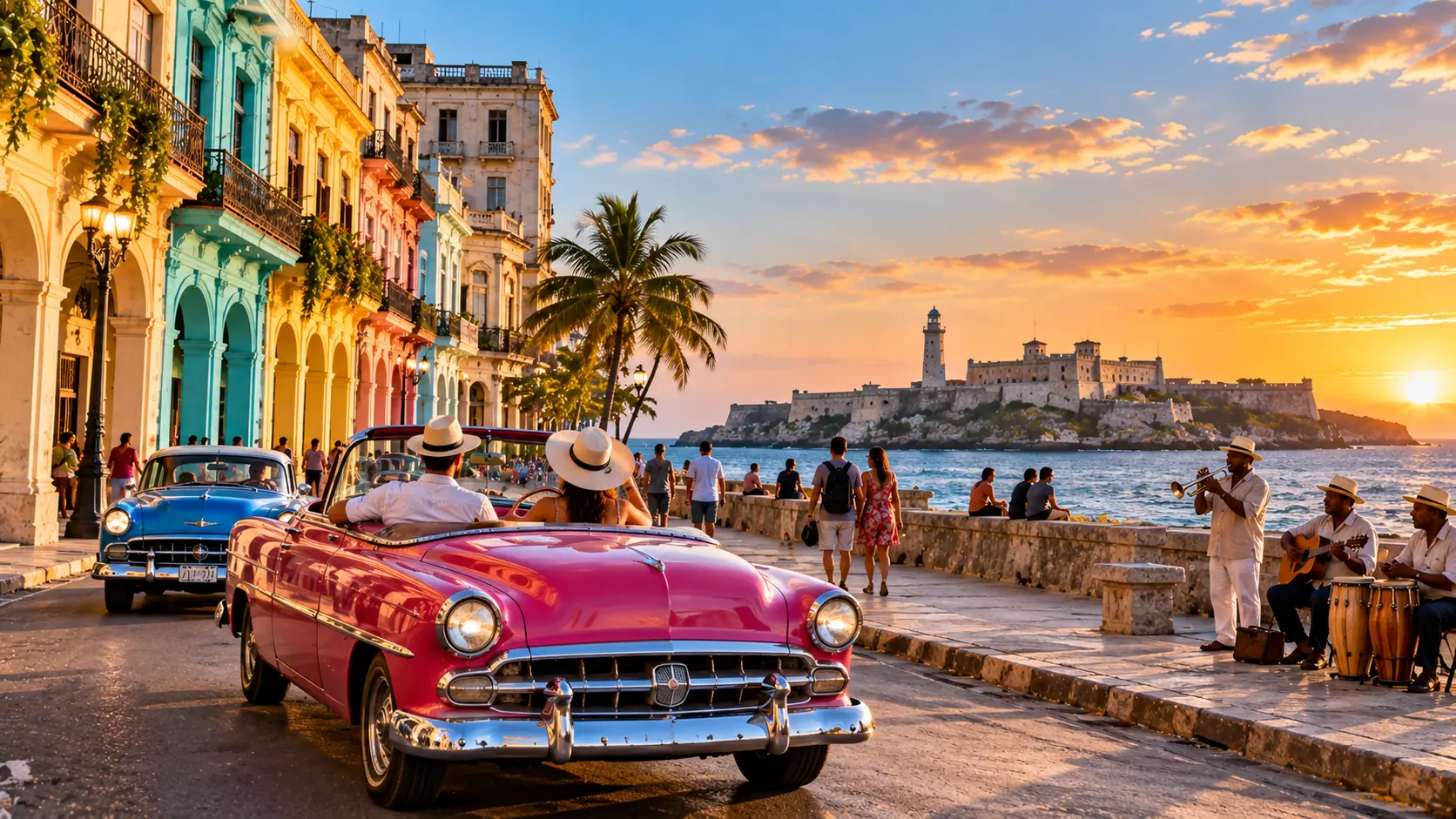
Cuba is one of the most fascinating destinations in the Caribbean, known for its colorful streets, historic architecture, beautiful beaches, and vibrant cultural traditions. From the classic cars of Havana to the green valleys of Viñales, the island offers remarkable scenery and memorable experiences. Travelers can discover colonial towns, tropical landscapes, lively music, and a distinctive way of life.
Exploring the best things to do in Cuba provides opportunities to understand the country’s history, appreciate its natural beauty, and experience local traditions. Popular attractions include Havana’s historic center, Varadero’s white sandy beaches, and the picturesque streets of Trinidad. Beyond these famous destinations, Cuba also features national parks, mountain landscapes, and smaller coastal communities worth discovering.
This Cuba travel guide covers the country’s major attractions, cultural highlights, and practical travel considerations. However, current shortages of fuel, electricity, water, and essential supplies can significantly affect transportation and tourism services. Some governments advise against nonessential travel, so checking official travel advisories is essential before making arrangements. Careful planning helps travelers understand both Cuba’s attractions and the challenges of visiting.
Explore Old Havana and Its Historic Streets
Old Havana, also known as Habana Vieja, is one of Cuba’s most famous cultural attractions. Its historic streets feature colorful buildings, traditional balconies, impressive churches, and beautiful public squares. The district reflects centuries of Spanish colonial influence and local architectural development. Walking through its neighborhoods provides opportunities to appreciate the city’s distinctive heritage.
Plaza de la Catedral is among the most recognizable locations in Old Havana, surrounded by historic buildings and elegant architecture. Plaza Vieja is another popular square, featuring restored structures and inviting public spaces. Visitors can also explore the surrounding streets to discover traditional shops and local artistic expressions. These historic locations reveal the architectural diversity of Cuba’s capital.
Old Havana also offers opportunities to experience Cuban music, street culture, and traditional cuisine. Visitors may encounter musicians performing in public spaces and local artists displaying their work. Exploring with a knowledgeable local guide provides useful historical context. The district is an essential destination for travelers interested in understanding Havana’s cultural identity.
Visit the Malecón and Havana’s Famous Landmarks
The Malecón is one of Havana’s most recognizable attractions, stretching along the city’s waterfront with beautiful views of the sea. This historic promenade connects several neighborhoods and provides a scenic setting for walking and photography. Its atmosphere changes throughout the day as residents gather along the waterfront. The surrounding architecture adds to its character.
Visitors can also explore major Havana landmarks such as El Capitolio and the Gran Teatro de La Habana. These impressive buildings reflect different periods of Cuban architectural history. Revolution Square is another important location associated with the country’s political past. Guided sightseeing can help travelers understand the historical significance of these landmarks.
Havana’s classic American cars are another distinctive feature of the city’s streets. Many vehicles date from earlier decades and remain recognizable symbols of Cuban transportation history. Travelers can admire these cars while exploring central neighborhoods. Anyone arranging a sightseeing ride should confirm that the vehicle and operator meet appropriate safety requirements.
Discover the Beautiful Viñales Valley
Viñales Valley is one of Cuba’s most beautiful natural destinations, famous for its green countryside and distinctive limestone hills. Located in western Cuba, the valley features agricultural fields, rural communities, and remarkable geological formations. These rounded hills, called mogotes, create an unusual landscape. The region is especially attractive for nature photography.
Visitors can explore designated trails and viewpoints that provide beautiful views across the valley. Guided countryside excursions offer opportunities to learn about traditional agriculture and rural life. The surrounding farmland reflects generations of local agricultural knowledge. Choosing community-based experiences can help support residents while encouraging respectful cultural exchange.
Viñales town provides a convenient base for exploring the surrounding landscape. Its colorful houses, small restaurants, and relaxed atmosphere contrast with Havana’s busy streets. Travelers can also discover nearby caves and scenic rural routes through organized tours. Viñales is an excellent destination for visitors who appreciate natural beauty and peaceful countryside experiences.
Relax on Varadero’s White Sandy Beaches
Varadero is one of Cuba’s most popular coastal destinations, known for its long stretches of white sand and clear turquoise waters. Located on the Hicacos Peninsula, it offers beautiful Caribbean scenery and a relaxing beach atmosphere. Visitors can enjoy seaside walks, ocean views, and peaceful moments beneath tropical sunshine. Its coastline is particularly appealing for beach photography.
The destination features beachfront accommodations and designated recreational areas, although individual services may vary with current operating conditions. Travelers can enjoy swimming where conditions permit and explore scenic sections of the coastline. Water clarity and sea conditions change with weather patterns. Following local swimming guidance helps ensure a safer coastal experience.
Varadero is also relatively close to Havana, making it a possible addition to a broader western Cuba itinerary. The surrounding Matanzas region offers further cultural and natural attractions. Visitors should confirm transportation availability before organizing day trips or overnight stays. Combining Varadero’s coastal scenery with historic sightseeing creates a varied travel experience.
Wander Through Trinidad’s Colorful Colonial Streets
Trinidad is one of Cuba’s most beautiful historic towns, celebrated for its colorful colonial buildings and cobblestone streets. Located in central Cuba, the town preserves an architectural atmosphere shaped by centuries of history. Its central squares, historic churches, and traditional houses attract visitors interested in cultural heritage. Walking through Trinidad feels different from exploring larger Cuban cities.
Plaza Mayor is the historic heart of Trinidad, surrounded by impressive buildings and cultural landmarks. Visitors can explore local museums that explain the region’s colonial past and its connections to the sugar economy. This history also includes the exploitation of enslaved people, an essential part of understanding the area’s development. Guided visits provide valuable educational context.
Trinidad is also known for its craft traditions, music, and relaxed neighborhood atmosphere. Small workshops and local markets offer opportunities to appreciate handmade products and traditional artistic techniques. The nearby countryside provides additional sightseeing possibilities. Spending time in Trinidad allows visitors to experience Cuba’s architectural heritage and everyday cultural life.
Explore Topes de Collantes Natural Park
Topes de Collantes is a beautiful natural area in the Escambray Mountains near Trinidad. Its forested hills, scenic valleys, and tropical vegetation make it a popular destination for outdoor enthusiasts. The region supports diverse plant and animal species, including numerous birds. Visitors can enjoy its mountain scenery through suitable guided excursions.
Several designated routes provide opportunities to discover waterfalls, forest landscapes, and picturesque viewpoints. Some trails involve steep sections and slippery surfaces, particularly after rainfall. Travelers should choose routes appropriate for their fitness and experience. Local guides can help explain the area’s biodiversity while identifying suitable walking conditions.
The mountain environment offers a refreshing contrast to Cuba’s coastal towns and historic cities. Photography enthusiasts can appreciate the dense greenery and changing light beneath the forest canopy. Weather conditions can affect access to particular attractions, so checking locally is important. Topes de Collantes is especially appealing for visitors interested in nature and peaceful surroundings.
Visit Cienfuegos and Its Elegant Architecture
Cienfuegos is a beautiful coastal city on Cuba’s southern shoreline, recognized for its elegant architecture and historic urban planning. The city features broad streets, attractive public squares, and buildings influenced by European architectural traditions. Its distinctive appearance has earned it a reputation for architectural beauty. Visitors can explore the historic center while enjoying its relaxed coastal atmosphere.
Parque José Martí is one of the city’s most important public spaces, surrounded by notable historic buildings. The nearby Tomás Terry Theater is another significant cultural landmark. Palacio de Valle, located in the Punta Gorda area, showcases an unusual combination of architectural influences. These attractions make Cienfuegos especially interesting for history and architecture enthusiasts.
The city’s waterfront provides opportunities for scenic walks and views across Cienfuegos Bay. Travelers can also explore local neighborhoods and discover regional food traditions. Cienfuegos works well as a possible stop between Havana and Trinidad when transportation is available. Its combination of historic architecture and coastal scenery creates a rewarding sightseeing experience.
Discover Cuba’s Natural Beauty at Ciénaga de Zapata
Ciénaga de Zapata is an extensive wetland region in southern Cuba, known for its remarkable biodiversity and protected ecosystems. The landscape includes marshes, forests, lagoons, and coastal habitats supporting numerous wildlife species. Birdwatchers are particularly attracted to the region because of its varied bird populations. The wetlands are an important natural conservation area.
Visitors can explore approved locations through organized nature excursions and wildlife observation activities. The region provides habitat for several species found only in Cuba, making conservation especially important. Experienced guides can help identify birds and explain the ecological value of wetland environments. Respecting protected areas helps preserve sensitive habitats.
The nearby Bay of Pigs is also historically significant because of the failed invasion in 1961. Travelers interested in Cuban history can learn about this event through local museums and historic sites. Coastal areas around the bay feature attractive scenery and designated recreational opportunities. The region combines natural landscapes with important historical context.
Experience Santiago de Cuba’s Cultural Heritage
Santiago de Cuba is one of the country’s most important cultural cities, located in the southeastern part of the island. It is especially known for its musical heritage, historic landmarks, and strong regional identity. The city’s streets and public spaces reflect influences from different Caribbean traditions. Visitors can explore its heritage through museums and cultural attractions.
Castillo de San Pedro de la Roca, also known as El Morro, is among the city’s most recognizable historic landmarks. This impressive fortress overlooks the coastline and reflects Cuba’s colonial military history. Parque Céspedes is another important gathering place surrounded by historic buildings. These attractions provide valuable insights into Santiago’s development.
Santiago de Cuba has also played an important role in the country’s political and musical history. Traditional Cuban musical styles have strong connections to the region’s cultural development. Visitors can learn about these traditions through appropriate cultural performances and educational experiences. Although reaching eastern Cuba requires additional planning, the city offers distinctive attractions.
Explore the Beaches of Cayo Coco and Cayo Guillermo
Cayo Coco and Cayo Guillermo are beautiful islands along Cuba’s northern coastline, famous for their pale sandy beaches and turquoise waters. These destinations belong to the Jardines del Rey island group and offer attractive tropical scenery. Their coastal landscapes include shallow waters, dunes, and protected natural habitats. Visitors seeking peaceful beach surroundings may find them appealing.
Playa Pilar on Cayo Guillermo is particularly well known for its beautiful sand and scenic coastal setting. Visitors can enjoy relaxing beach walks and appreciate the surrounding natural environment. Suitable swimming opportunities depend on currents, weather, and local safety conditions. Responsible tourism is important because coastal ecosystems can be sensitive.
These islands also support birdlife and other coastal wildlife, creating additional opportunities for nature observation. Travelers can combine time near the shoreline with approved sightseeing activities. However, transportation and accommodation availability should be confirmed carefully because fuel and supply shortages can affect island services. Advance preparation is especially important when visiting locations far from major cities.
Experience Cuban Music, Art, and Local Traditions
Cuban culture is one of the country’s most distinctive attractions, shaped by African, European, and Caribbean influences. Music plays an important role in everyday cultural expression, with styles such as son, rumba, and salsa recognized internationally. Visitors may encounter traditional performances in public spaces and cultural venues. These experiences provide opportunities to appreciate Cuba’s artistic heritage.
Dance, painting, and traditional crafts are also important parts of Cuban cultural identity. Local galleries and workshops display artwork inspired by history, community life, and contemporary experiences. Travelers can explore cultural institutions or attend appropriate community events when available. Supporting local artists through respectful purchases helps contribute to creative communities.
Traditional Cuban cuisine offers another way to experience the country’s cultural diversity. Popular dishes include ropa vieja, rice and beans, roasted plantains, and yuca preparations. Local restaurants and family-run dining establishments may offer different regional specialties depending on ingredient availability. Sharing meals and learning about food traditions can become meaningful parts of a Cuba visit.
Best Time to Visit Cuba for Weather and Sightseeing
The best time to visit Cuba generally depends on weather preferences, planned activities, and regional travel conditions. The relatively dry season typically runs from November through April, bringing comfortable temperatures for sightseeing in many areas. These months are often popular for exploring historic cities and coastal destinations. However, weather conditions can still vary.
Cuba’s wetter season generally extends from May through October, with higher humidity and more frequent rainfall. The Atlantic hurricane season runs from June through November, creating additional weather-related risks. Travelers should monitor official forecasts and avoid outdoor activities during dangerous weather. Tropical storms can disrupt transportation, accommodation, and essential services.
Seasonal considerations are only one part of choosing travel dates in Cuba. Current fuel shortages, power outages, and transportation disruptions can affect travel plans regardless of the weather. Checking updated government advisories and confirming essential services is particularly important. Visitors should avoid making nonrefundable arrangements until they understand the latest conditions.
Essential Travel Tips for Visiting Cuba
Traveling to Cuba requires careful preparation, particularly regarding entry documents and transportation arrangements. Requirements can include a valid passport, the appropriate visa or electronic tourist visa, medical travel insurance, and a completed digital traveler declaration. Exact rules depend on nationality and travel circumstances. Visitors should confirm all requirements with official authorities before departure.
Payment arrangements also require attention because international bank cards may not function reliably or may be unavailable for certain transactions. Travelers should verify current payment rules and legal currency requirements before leaving home. Accommodation and transportation services can be affected by shortages and electricity interruptions. It is important to confirm reservations directly and maintain realistic expectations.
Health and safety preparations are essential because shortages can affect medical services, clean water, and everyday supplies. Seek appropriate medical advice before travel and ensure any necessary medication is legally permitted and available. Avoid unsafe drinking water, follow local guidance, and monitor official travel warnings. Responsible planning is especially important under Cuba’s current conditions.
How to Plan a Cuba Travel Itinerary
Planning a Cuba itinerary begins with choosing destinations based on personal interests and realistic transportation options. Havana, Viñales, Varadero, Cienfuegos, and Trinidad are common highlights of western and central Cuba. These locations offer a combination of history, beaches, nature, and cultural experiences. However, actual travel feasibility depends on current local conditions.
A traditional seven-to-ten-day itinerary might include several days in Havana, a countryside visit to Viñales, and time exploring Trinidad or a coastal destination. Travelers with additional time could consider Cienfuegos or other regions. Avoid including too many distant stops in one schedule. Flexible planning allows more room for unexpected transportation delays.
Long-distance travel can be challenging when fuel supplies are limited and transportation services are disrupted. Confirm routes and accommodation availability shortly before travel rather than relying on older schedules. Keep alternative plans available and consider postponing a visit if reliable services cannot be arranged. A realistic itinerary should prioritize safety and dependable transportation.
Conclusion
Cuba is a remarkable Caribbean destination offering historic cities, beautiful beaches, mountain landscapes, and rich cultural traditions. From the colorful streets of Havana to the peaceful scenery of Viñales Valley, visitors can discover diverse attractions across the island. Destinations such as Trinidad, Cienfuegos, and Varadero highlight the country’s architectural and natural beauty.
Exploring the best things to do in Cuba also provides opportunities to understand the island’s history, artistic heritage, and everyday culture. Traditional music, local cuisine, and protected natural landscapes contribute to its distinctive character. However, ongoing shortages and travel disruptions mean that the practical conditions for tourism require careful consideration.
A successful Cuba vacation depends on choosing suitable destinations, understanding entry requirements, and reviewing current travel advisories. Travelers should prioritize reliable transportation, safe accommodation, and realistic expectations before making reservations. When conditions allow for responsible travel, Cuba offers memorable opportunities to experience Caribbean history, culture, and natural scenery.
Frequently Asked Questions
What is Cuba most famous for?
Cuba is famous for Havana’s historic streets, classic American cars, traditional music, colonial architecture, and beautiful Caribbean beaches. Popular attractions include Viñales Valley, Trinidad, Varadero, and the country’s distinctive cultural heritage.
How many days do you need to explore Cuba?
Seven to ten days can provide an introduction to several major Cuban destinations under normal travel conditions. However, current fuel shortages and transportation disruptions may require longer schedules or changes to planned routes.
What is the best month to visit Cuba?
December through March generally offers pleasant weather for sightseeing and beach activities. These months fall within Cuba’s relatively dry season, although travelers must also consider current travel advisories and essential service availability.
Is Cuba safe for tourists in 2026?
Travel conditions in Cuba remain challenging in 2026 because of serious shortages, power outages, and transportation disruptions. Several governments advise against or recommend reconsidering travel. Visitors should review official guidance before planning a trip.
What are the best places to visit in Cuba for the first time?
Havana, Viñales Valley, Trinidad, Varadero, and Cienfuegos are popular destinations for first-time visitors. They offer historic architecture, beautiful landscapes, beaches, and cultural experiences, subject to current travel conditions and access.

