

What Is Edge Computing and Why Does It Matter?
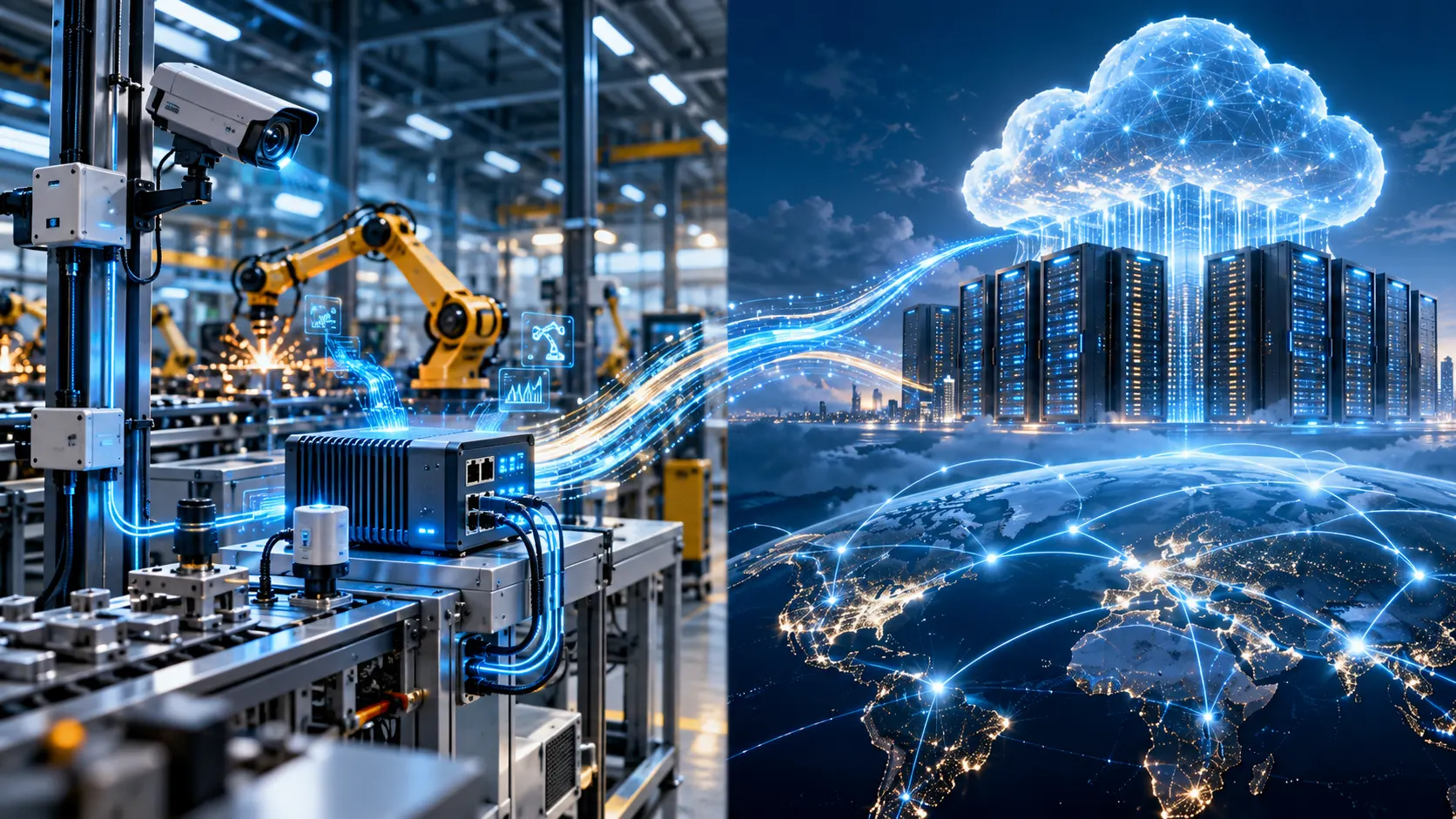
Edge computing is a technology approach that processes data closer to where it is generated instead of sending everything to a distant centralized server. It uses local devices, gateways, or nearby computing infrastructure to handle important information. This approach helps businesses reduce communication delays, manage network traffic, and support applications that require quick responses to changing conditions.
The term edge refers to computing resources located near connected devices, sensors, machines, or users. For example, a manufacturing facility may process equipment data locally to identify operational problems without sending every measurement to the cloud. This arrangement can improve response times while allowing organizations to decide which information needs further analysis or long-term storage.
Edge computing is becoming increasingly relevant as businesses adopt Internet of Things devices, automation, and artificial intelligence applications. These technologies can generate substantial amounts of information that may require immediate processing. By moving selected computing tasks closer to their sources, organizations can improve responsiveness, reduce unnecessary data transfers, and support digital services across different locations.
What Is Cloud Computing and How Does It Work?
Cloud computing is a technology model that allows businesses and individuals to access computing resources through network connections rather than maintaining all infrastructure locally. These resources may include servers, storage, databases, networking, and software applications. Cloud services help organizations access computing capacity when needed while reducing the requirement to purchase and operate every physical system themselves.
Major cloud computing providers operate large data centers that support applications and services for customers across different industries. Businesses can rent computing resources, store information, and run applications using flexible service arrangements. Popular cloud platforms include Amazon Web Services, Microsoft Azure, and Google Cloud, which support various infrastructure, development, and data management requirements.
Cloud computing is commonly associated with scalability, centralized resource management, and convenient access to computing services. Organizations can increase or decrease allocated resources according to changing workloads and business demands. However, performance depends on network connectivity, system architecture, and service configuration, making cloud computing more suitable for some applications than others.
Edge Computing vs Cloud Computing: Main Differences
The main difference between edge computing and cloud computing is where data processing takes place. Edge computing processes selected information near its source, while traditional cloud computing commonly relies on centralized or regional data center resources. This distinction influences response times, network requirements, infrastructure management, and the types of applications each approach can support effectively.
Edge computing often benefits applications requiring rapid local decisions, such as industrial monitoring and certain connected-device systems. Cloud computing is particularly useful for centralized analytics, large-scale storage, and applications that need flexible computing capacity. Both technologies can support similar business objectives, but they distribute computing responsibilities differently depending on performance requirements and operational priorities.
Another important difference involves how organizations manage their infrastructure and resources. Edge environments may require maintaining numerous devices across different locations, while cloud platforms centralize many infrastructure services through provider-managed systems. Businesses should therefore evaluate latency, security, costs, scalability, and application requirements rather than assuming one computing model is universally better.
How Data Processing and Architecture Differ
Edge computing architecture distributes processing capabilities across devices and infrastructure located near where information originates. Data may be analyzed by industrial controllers, local servers, intelligent cameras, or network gateways before selected results are transmitted elsewhere. This distributed design allows applications to perform important tasks locally while reducing dependence on distant infrastructure for every computing operation.
Traditional cloud computing architecture generally uses resources hosted in provider data centers or designated cloud regions. Applications communicate with these resources through network connections, allowing centralized systems to store information and perform substantial processing tasks. This arrangement can simplify resource administration and support workloads that benefit from shared databases, coordinated services, and large computing environments.
Both architectures can include multiple layers, making the distinction more flexible than simply local versus remote computing. An edge device might process immediate sensor information before forwarding summarized results to a cloud platform. The cloud can then support historical analysis, reporting, and broader coordination, allowing businesses to divide responsibilities according to their technical and operational requirements.
Latency and Real-Time Performance Differences
Latency describes the delay between sending information and receiving a response, making it an important consideration when comparing computing technologies. Edge computing can reduce communication-related latency by processing data close to the device generating it. This advantage is particularly useful for applications that depend on rapid decisions, including certain industrial systems and interactive digital experiences.
Cloud computing may introduce additional communication delays when information travels between devices and distant data centers. Actual latency depends on network quality, geographic distance, routing, and application architecture. For many business applications, these delays are acceptable because they do not require immediate responses to local events, making centralized cloud processing a practical choice.
Edge computing does not automatically guarantee faster performance for every workload because local hardware may have limited processing capacity. Some complex operations perform better using powerful cloud infrastructure despite the additional network communication. Businesses should evaluate complete application response times rather than focusing exclusively on geographic distance when deciding how to distribute computing tasks.
Bandwidth, Connectivity, and Data Transfer Requirements
Bandwidth refers to the amount of information a network connection can transmit within a particular period. Applications involving video, industrial sensors, or large connected-device deployments may generate considerable data traffic. Edge computing can reduce upstream bandwidth requirements by analyzing information locally and sending only selected results, alerts, or summaries to centralized systems.
Cloud computing often requires data to travel between connected devices and remote infrastructure for processing or storage. This arrangement works well when reliable network connections are available and the volume of transmitted information remains manageable. However, large transfers can increase network costs and create performance challenges when many devices depend on limited connectivity.
Edge processing can also support certain operations during temporary interruptions to external network connections. A local system may continue performing predefined functions while saving information for later synchronization with cloud services. Nevertheless, offline capabilities depend on application design, and organizations must carefully manage delayed updates, data consistency, and recovery procedures when connectivity returns.
Cost, Maintenance, and Infrastructure Considerations
Cost is an important factor when comparing edge computing and cloud computing because each approach involves different financial responsibilities. Edge deployments may require purchasing local hardware, installing devices, and maintaining infrastructure across multiple locations. These expenses can increase when organizations need specialized equipment, environmental protection, or regular physical maintenance for distributed computing systems.
Cloud computing typically uses service-based pricing that allows organizations to pay for resources according to usage or agreed capacity. This model can reduce upfront hardware purchases and make infrastructure expansion more convenient. However, expenses associated with computing, storage, data transfer, and ongoing services can increase when resources are poorly managed or workloads grow unexpectedly.
Businesses should calculate total ownership costs instead of comparing hardware purchases with cloud subscription fees alone. Important considerations include electricity, maintenance, software licensing, connectivity, security, and technical staffing. A hybrid arrangement may sometimes control expenses by keeping time-sensitive processing local while using cloud infrastructure for scalable storage and less urgent computing tasks.
Security, Privacy, and Data Protection Differences
Security is a major consideration for both edge computing and cloud computing because organizations must protect information throughout its collection, processing, and storage. Edge computing can reduce unnecessary transmission of sensitive data by processing selected information locally. However, distributed devices still require security controls, regular updates, and protection against unauthorized physical or digital access.
Cloud computing platforms include various security capabilities, such as encryption, identity management, monitoring, and access controls. Centralized services can make some protective measures easier to coordinate across large environments. Nevertheless, cloud customers remain responsible for securing their applications, managing permissions, and understanding how security duties are divided between their organization and the service provider.
Privacy and regulatory requirements may also influence where organizations choose to process and store information. Certain applications benefit from keeping sensitive data within specified environments, while others require centralized records and coordinated oversight. Neither edge nor cloud computing is inherently secure in every situation, so businesses should evaluate actual risks and implement appropriate protections.
Scalability, Reliability, and Availability Compared
Scalability refers to a system’s ability to handle increasing workloads without unacceptable performance problems. Cloud computing is widely used for flexible scaling because providers make additional computing and storage resources available through managed infrastructure. This flexibility can benefit growing websites, business applications, and services experiencing changing levels of customer demand.
Edge computing scales differently because additional devices or locations may require corresponding local computing resources. Expanding distributed infrastructure can involve hardware installation, configuration, monitoring, and maintenance across multiple sites. Although this approach introduces operational complexity, it can help organizations distribute workloads geographically and avoid sending every processing request to centralized systems.
Reliability and availability also depend on how each system is designed rather than the computing model alone. Edge deployments may continue selected local operations during connectivity problems, while cloud environments can support redundancy across infrastructure locations. Businesses should consider backup arrangements, failure recovery, network dependencies, and application requirements before selecting an appropriate architecture.
Real-World Applications of Edge and Cloud Computing
Edge computing is useful in industries where devices continuously generate information and certain decisions must happen quickly. Manufacturing facilities may process equipment measurements locally, while retail environments can use nearby systems for selected operational analytics. Connected transportation infrastructure and smart buildings are additional examples where local processing can support responsive applications and reduce unnecessary data movement.
Cloud computing supports numerous business activities, including website hosting, online collaboration, software delivery, and large-scale information analysis. Organizations use cloud services to manage customer databases, operate ecommerce platforms, and support distributed employees. Centralized infrastructure is especially valuable when applications require access from multiple locations or need computing resources that expand with changing demand.
Some industries benefit from using both technologies for different purposes within the same application. A healthcare organization, for example, might process appropriate device information locally while using cloud services for authorized reporting and historical analysis. Similarly, an agricultural system may evaluate sensor measurements nearby and transmit summarized information to centralized platforms for longer-term planning.
How Edge Computing and Cloud Computing Work Together
Edge computing and cloud computing are not competing technologies in every situation because they can complement one another within a hybrid architecture. Edge systems handle selected tasks near connected devices, while cloud platforms support centralized storage, coordination, and analysis. Combining these capabilities allows businesses to balance local responsiveness with access to larger computing resources.
A smart manufacturing facility provides a useful example of how this relationship can work in practice. Local systems may monitor equipment conditions and identify changes requiring prompt attention, while cloud services analyze historical operational trends. Engineers can then use centralized reporting to evaluate long-term performance without requiring every individual sensor reading to undergo remote processing.
Hybrid edge-cloud environments require thoughtful planning because data must move reliably between separate computing systems. Organizations need suitable synchronization methods, security policies, and monitoring practices to maintain consistency. When designed effectively, this approach can support low-latency applications while retaining the flexibility, analytical capabilities, and centralized management associated with cloud services.
How to Choose Between Edge Computing and Cloud Computing
Choosing between edge computing and cloud computing begins with understanding the requirements of the application being developed or managed. Businesses should evaluate response-time expectations, data volumes, connectivity conditions, and available technical resources. Applications needing immediate local processing may benefit from edge infrastructure, while those requiring flexible centralized resources may be better suited to cloud services.
Security requirements, financial considerations, and operational capabilities should also influence the decision. Organizations operating equipment across numerous remote locations may face different infrastructure challenges than businesses managing centrally accessible software platforms. Reviewing implementation costs, ongoing maintenance, and potential growth helps identify which computing arrangement provides the most practical balance of performance and efficiency.
In many cases, the most effective solution involves combining edge and cloud technologies rather than selecting only one. Businesses can process time-sensitive information locally while transferring appropriate data for centralized storage or advanced analysis. Testing expected workloads and reviewing operational requirements helps organizations build systems that remain reliable, adaptable, and suitable for their long-term technology goals.
Conclusion
Edge computing and cloud computing are important technologies that support modern digital applications through different approaches to data processing and infrastructure management. Edge computing emphasizes processing information near its source, while cloud computing makes centralized and scalable resources available through network connections. Understanding these differences helps businesses select appropriate solutions based on performance, connectivity, and operational requirements.
Neither computing approach is universally better because each has advantages and limitations depending on the application. Edge environments can support local responsiveness and reduce unnecessary data transfers, while cloud platforms are valuable for flexible computing, centralized services, and large-scale analytics. Cost, security, reliability, and maintenance requirements should all be considered before making architectural decisions.
As connected devices and digital services continue evolving, businesses can benefit from understanding how edge and cloud computing complement one another. Hybrid architectures allow organizations to distribute workloads according to actual needs rather than relying on a single processing location. Choosing the right combination can improve efficiency, support application performance, and establish a flexible foundation for future technology development.
Frequently Asked Questions (FAQs)
What is the main difference between edge computing and cloud computing?
Edge computing processes selected data near its source, while cloud computing generally uses remote data center resources. This difference influences latency, connectivity requirements, infrastructure management, and how organizations distribute their computing workloads.
Is edge computing faster than cloud computing?
Edge computing can deliver faster responses for latency-sensitive tasks because information travels shorter distances. However, overall performance depends on processing capacity, application design, and network conditions, so cloud computing may outperform edge systems for certain workloads.
Can edge computing replace cloud computing?
Edge computing can handle certain tasks independently, but it does not replace every benefit of cloud infrastructure. Many organizations use both approaches for local processing, centralized storage, advanced analytics, and scalable services.
What are some examples of edge computing?
Common examples include local industrial equipment monitoring, smart building systems, connected cameras, and certain IoT applications. These systems process selected information near devices to support timely responses and reduce unnecessary network traffic.
Which is better for IoT: edge computing or cloud computing?
Both can benefit IoT systems depending on application requirements. Edge computing supports local decisions and reduced data transfers, while cloud computing helps with centralized management, long-term storage, and analysis across connected devices.

