

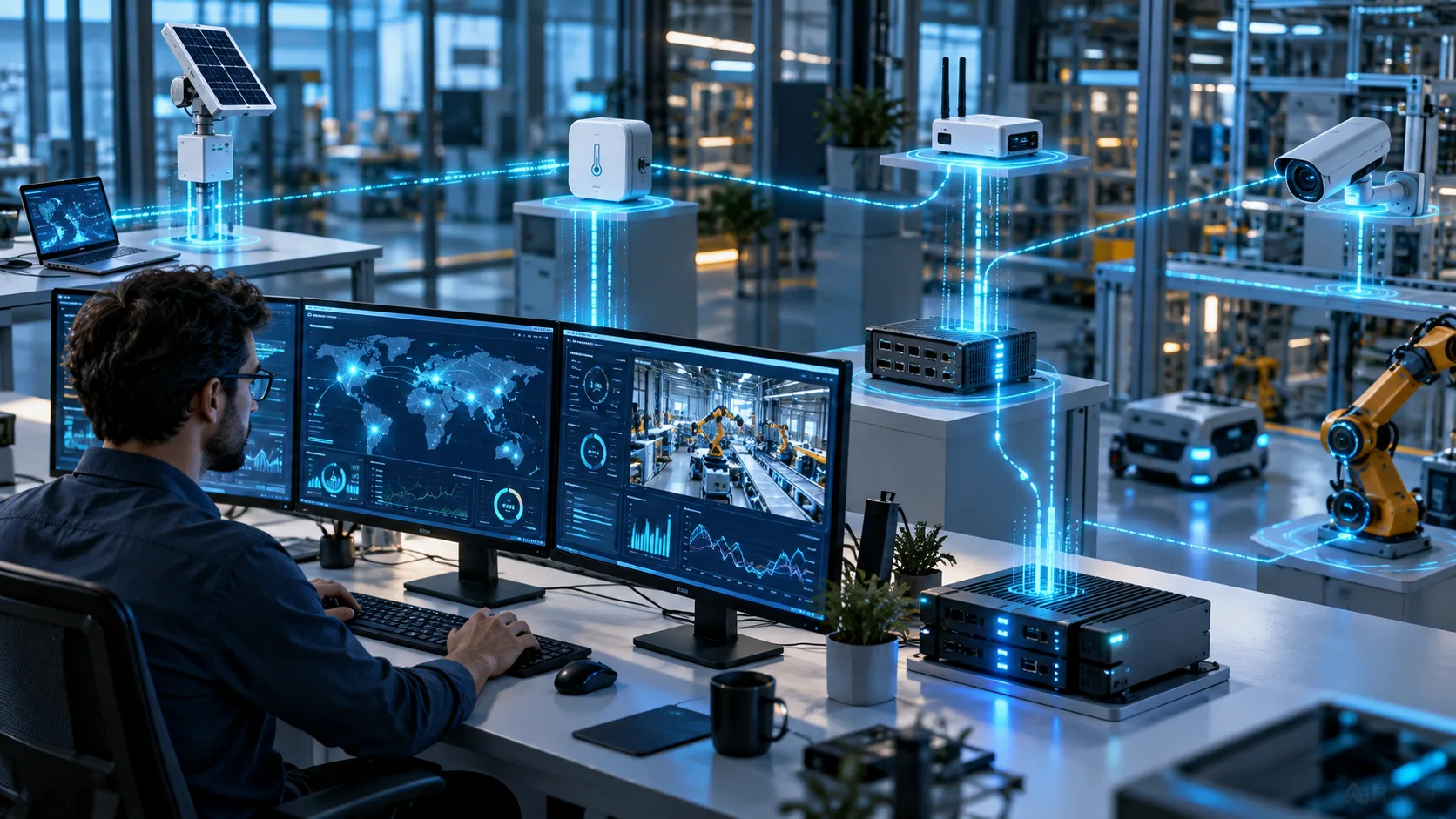
What Is Edge Computing and Why Does It Matter?
Edge computing is a technology approach that processes data closer to where it is generated instead of sending everything to a distant cloud server. It allows devices, local servers, and connected systems to analyze information with less dependence on centralized infrastructure. Understanding what edge computing is helps beginners recognize how modern technology supports faster responses and more efficient digital operations.
Traditional computing systems often transfer data to centralized servers for processing before sending results back to connected devices. While this approach works well for many applications, transmitting large amounts of information can introduce delays and increase network usage. Edge computing addresses these challenges by moving selected computing tasks closer to users, machines, sensors, and other data sources.
Edge computing is becoming increasingly relevant as businesses adopt smart devices, automation systems, artificial intelligence, and connected technology. Applications such as industrial monitoring, video analytics, and connected transportation may require quick decisions based on incoming information. By processing relevant data locally, organizations can improve responsiveness while continuing to use cloud services for other important computing tasks.
How Does Edge Computing Work?
Edge computing works by placing computing resources near the devices or locations where data originates. These resources may include specialized processors, local servers, intelligent gateways, or embedded computing systems. Instead of transferring every piece of information to a remote data center, the system performs selected calculations locally and sends only necessary information to other services.
For example, imagine a security camera that records video continuously throughout the day. An edge-enabled system can analyze video near the camera and identify events that require attention without uploading every frame to the cloud. This approach reduces unnecessary data transmission and allows certain alerts to be generated more quickly when local processing resources are sufficient.
Some edge computing systems can continue performing important functions when internet connectivity becomes unreliable. However, the amount of offline functionality depends on how the application is designed and whether essential services are available locally. Once connectivity returns, the system may synchronize stored information with central servers, allowing edge devices and cloud platforms to work together.
Edge Computing vs. Cloud Computing: What’s the Difference?
Edge computing and cloud computing both process digital information, but they differ in where computing tasks are performed. Cloud computing typically relies on centralized data centers that support applications, storage, and processing over a network. Edge computing places selected computing resources closer to data sources, allowing certain tasks to operate without traveling to a distant cloud environment.
Cloud platforms are useful for applications requiring large-scale storage, extensive computing resources, and centralized management. Edge systems are particularly valuable when applications need low latency, local decision-making, or reduced network traffic. Neither approach is universally better because the right choice depends on the application’s performance, reliability, security, and operational requirements.
Many organizations combine edge computing and cloud computing rather than treating them as competing technologies. A smart factory might analyze equipment readings locally while sending historical performance information to a cloud platform for broader reporting. This hybrid approach allows businesses to benefit from responsive local processing while retaining centralized storage, analytics, and management capabilities.
Key Components of Edge Computing Architecture
Edge computing architecture includes several components that work together to collect, process, and manage information. Edge devices are located near data sources and may include cameras, sensors, smartphones, industrial controllers, and intelligent machines. Some devices perform computations independently, while others depend on nearby systems with greater processing power to handle demanding workloads.
Edge gateways help connect devices with local networks, enterprise systems, and cloud services. These gateways may collect information from several sensors, translate communication protocols, and perform limited processing before forwarding relevant results. Local edge servers can handle more intensive tasks, such as video analysis or running machine learning models for multiple connected devices.
Networking infrastructure and management software are also important parts of an effective edge environment. Organizations need reliable communication, device monitoring, software updates, and access controls to keep distributed systems operating correctly. A well-designed architecture considers where information should be processed, how it moves between components, and which functions need centralized support.
Major Benefits of Edge Computing for Businesses
One of the main benefits of edge computing is reduced latency, which means decreasing the delay between receiving information and responding to it. Applications that require rapid decisions can benefit when information does not need to travel to a distant server. This advantage is especially relevant for industrial equipment monitoring and other systems where timely responses matter.
Edge computing can also reduce bandwidth requirements by processing or filtering information locally before transmitting it across networks. For example, a connected machine might send alerts and summarized measurements rather than continuously uploading every sensor reading. Reducing unnecessary data transfers may help organizations manage network capacity and associated costs, depending on their infrastructure and service arrangements.
Another benefit is the potential to improve operational resilience when network connectivity is unreliable. Properly designed edge applications can continue selected functions locally during temporary interruptions to cloud services. Edge processing may also support privacy by limiting unnecessary data transfers, although organizations still need appropriate security controls and responsible information management practices.
Challenges and Limitations of Edge Computing
Despite its advantages, edge computing introduces technical and operational challenges that organizations must consider before implementation. Managing devices across many locations can become complicated, particularly when hardware requires maintenance, monitoring, and software updates. Businesses need reliable procedures to maintain consistent performance and protect distributed systems from security weaknesses or unexpected failures.
Edge devices often have fewer computing and storage resources than large cloud data centers. This limitation can make some advanced processing tasks difficult, especially when applications require extensive memory or powerful hardware. Organizations must decide which workloads can operate efficiently at the edge and which should remain within centralized cloud or data center environments.
Cost and integration can also affect edge computing adoption because organizations may need additional equipment, networking improvements, and technical expertise. Existing applications are not always designed for distributed processing, so changes may require careful planning and testing. Successful implementation depends on balancing performance improvements with equipment expenses, maintenance requirements, and long-term operational complexity.
Edge Computing in the Internet of Things (IoT)
The Internet of Things, commonly called IoT, describes connected physical devices that collect and exchange information through networks. Examples include smart thermostats, industrial sensors, connected appliances, and environmental monitoring equipment. Edge computing complements IoT by allowing some of these devices or nearby gateways to process information locally instead of depending entirely on remote servers.
Consider a smart home containing connected lights, temperature sensors, and automated heating equipment. A local controller can analyze sensor readings and adjust supported devices without sending every command through a distant service. This setup may improve responsiveness and allow selected home automation functions to continue working during temporary internet connectivity problems.
Edge computing becomes particularly valuable when many IoT devices generate information continuously. Sending every measurement to the cloud may consume unnecessary bandwidth and complicate time-sensitive operations. By processing selected data near its source, organizations can identify useful information earlier and maintain more efficient communication between connected devices and centralized management platforms.
Real-World Applications in Manufacturing and Smart Cities
Manufacturing is an important application area for edge computing because factories depend on equipment monitoring and reliable operational systems. Sensors installed on machines can collect information about temperature, vibration, and performance during production. Local processing systems can analyze these readings and identify unusual conditions that may indicate a need for maintenance or further investigation.
Edge computing can also support quality inspection systems that analyze camera images near manufacturing equipment. Rather than transferring every image to a distant server, local processing can identify possible defects and communicate relevant findings quickly. These capabilities may help businesses improve visibility into production processes, although successful implementation depends on suitable sensors, algorithms, and system integration.
Smart cities also use connected technology for transportation, environmental monitoring, and infrastructure management. Edge systems can process selected information from traffic sensors or local monitoring equipment before sharing results with central platforms. This approach may support more responsive operations while reducing unnecessary network traffic, provided public infrastructure systems are designed with appropriate reliability and security controls.
Edge Computing in Healthcare, Retail, and Transportation
Healthcare organizations can use edge computing to process selected information near medical equipment, connected sensors, and clinical systems. Local analysis may support timely monitoring and reduce the need to transmit every measurement continuously. However, healthcare applications require careful validation, strong data protection, and appropriate clinical oversight because technical decisions may affect sensitive information and patient care.
Retail businesses can use edge computing in applications involving inventory monitoring, store operations, and connected checkout equipment. For example, local systems may process camera or sensor information to support stock tracking and operational insights. These applications can reduce dependence on continuous cloud communication while helping retailers manage certain processes within their physical locations.
Transportation systems also benefit from local data processing when timely information is important for connected vehicles and infrastructure. Vehicles may process sensor information directly through onboard computing equipment to support driving-related functions. Edge infrastructure can additionally assist traffic monitoring and fleet operations, although safety-critical systems require carefully tested designs and should not depend on uncertain network availability.
How Edge AI and 5G Work With Edge Computing
Edge artificial intelligence, commonly called edge AI, involves running machine learning models on devices or computing systems located near data sources. Instead of sending all information to a remote AI service, an edge device can perform selected predictions or classifications locally. This approach can support faster responses and reduce unnecessary transmission of sensitive or high-volume information.
For example, an industrial camera equipped with suitable AI processing capabilities can identify certain visual patterns during a manufacturing process. The system may classify possible defects and send alerts to operators when inspection criteria are met. However, model accuracy, computing requirements, and maintenance remain important considerations because running AI locally does not guarantee reliable results.
Fifth-generation mobile networking, known as 5G, can complement edge computing by supporting high-capacity connectivity and potentially lower network latency. When edge servers are positioned near network users, applications may benefit from shorter communication paths. Nevertheless, actual performance depends on network coverage, infrastructure design, and application requirements, so 5G and edge computing do not automatically eliminate delays.
Edge Computing Security and Data Privacy Considerations
Security is an important consideration in edge computing because information may be processed across many devices and physical locations. Each connected component can introduce potential vulnerabilities if it is poorly configured, outdated, or inadequately protected. Organizations must consider device authentication, secure communication, access permissions, and physical protection when designing systems that operate outside centralized data centers.
Processing data locally may reduce the amount of sensitive information transmitted to cloud services, which can support certain privacy objectives. However, edge devices may still store personal information or process confidential business records. Organizations need appropriate encryption, data retention controls, and monitoring practices to prevent unauthorized access and support responsible handling of information.
Maintaining security across distributed systems also requires dependable software updates and device management procedures. Businesses should establish clear responsibilities for identifying vulnerabilities, responding to incidents, and replacing unsupported equipment. Applying strong authentication and limiting unnecessary permissions can help reduce risks while allowing edge systems to communicate safely with authorized applications and infrastructure.
How to Get Started With Edge Computing
Businesses interested in edge computing should begin by identifying a specific problem that local processing might solve. Common examples include slow application response times, excessive network usage, or the need to maintain selected operations during connectivity interruptions. Defining a clear objective makes it easier to determine whether edge computing is appropriate for the situation.
The next step is evaluating existing devices, networking infrastructure, processing requirements, and available technical resources. Organizations can begin with a limited pilot project instead of deploying a complex system across many locations immediately. Testing one practical application allows teams to measure performance, identify integration challenges, and understand maintenance requirements before committing to wider implementation.
After evaluating pilot results, businesses can decide whether additional edge devices or local servers would deliver meaningful benefits. Long-term planning should include monitoring, cybersecurity, software management, and integration with existing cloud services. As connected technology and AI capabilities develop, edge computing may become increasingly useful, but adoption should remain guided by real operational needs.
Conclusion
Edge computing is a technology approach that processes selected data closer to its source rather than relying entirely on distant cloud servers. It can reduce response times, limit unnecessary network traffic, and support local operations in connected environments. Understanding its basic principles helps beginners recognize how modern applications manage information across devices, networks, and computing infrastructure.
The technology supports a wide range of applications, including smart homes, industrial automation, healthcare systems, retail operations, and transportation. However, successful deployment requires careful attention to security, hardware limitations, maintenance, and integration costs. Edge computing works particularly well when organizations combine local processing with cloud services according to the requirements of individual applications.
As digital systems become increasingly connected, edge computing will remain an important option for processing information efficiently. Businesses should evaluate its benefits through practical use cases rather than assuming it is necessary for every application. With a clear understanding of how edge computing works, beginners can explore related technologies such as IoT, cloud computing, 5G, and edge AI.
Frequently Asked Questions (FAQs)
What is edge computing in simple words?
Edge computing means processing data close to where it is collected instead of sending everything to distant cloud servers. This can help devices respond faster and reduce unnecessary network communication.
What is an example of edge computing?
A security camera that analyzes video locally and sends alerts when it detects certain events is an example of edge computing. It processes information near the camera rather than uploading every recording.
What is the difference between edge computing and cloud computing?
Cloud computing processes information through centralized computing resources, while edge computing handles selected tasks closer to data sources. Many applications combine both approaches to balance performance, scalability, and operational needs.
What are the main benefits of edge computing?
The main benefits include lower latency, reduced bandwidth usage, potential operational resilience, and localized data processing. Actual advantages depend on application design, network conditions, and available hardware resources.
Is edge computing the future of cloud computing?
Edge computing is more likely to complement cloud computing than replace it entirely. Organizations can use edge systems for local processing while relying on cloud platforms for large-scale analytics, storage, and centralized management.

